
Financing solution
Startup Equipment Financing
Startup equipment financing serves businesses with limited or no operating history — typically under two years. Because there is less business history to review, files lean more on owner background, industry experience, the specific asset, and the completeness of documentation. Human review matters most here: a thin file is not the same as a weak one.
Short answer
Startup equipment financing serves businesses with limited or no operating history — typically under two years. Because there is less business history to review, files lean more on owner background, industry experience, the specific asset, and the completeness of documentation. Human review matters most here: a thin file is not the same as a weak one.
Who this may serve
- New entities founded by owners with direct industry experience
- Owner-operators buying their first revenue-producing unit
- Businesses with a signed contract or committed work in hand
- Franchise or acquisition scenarios with a defined equipment list
How it works
- 1
Step 1
Describe the business, its start date, the
Describe the business, its start date, the owner's experience, and the equipment needed.
- 2
Step 2
A specialist explains what typically stren
A specialist explains what typically strengthens a startup file.
- 3
Step 3
You apply through the secure application c
You apply through the secure application channel.
- 4
Step 4
A human reviewer weighs owner background,
A human reviewer weighs owner background, the asset, and supporting documentation.
- 5
Step 5
On approval, documents are issued and the
On approval, documents are issued and the vendor or verified seller is paid.
Documentation typically requested
- Business formation documents and EIN
- Owner résumé or summary of industry experience
- Equipment quote, invoice, or bill of sale
- Evidence of committed work such as a contract or letter of intent, when available
Sensitive items such as Social Security numbers, dates of birth, and bank details are collected only in the official secure application — never in chat, email, or a web form comment field.
Things to weigh
Experience carries weight
Years of hands-on industry work in a new entity reads very differently from a first-time operator in an unfamiliar field.
Asset quality matters more
Common, liquid equipment with clear resale demand is easier to structure than highly specialized assets.
Expect a personal guaranty
Startup files commonly involve an owner guaranty. Plan for that conversation up front.
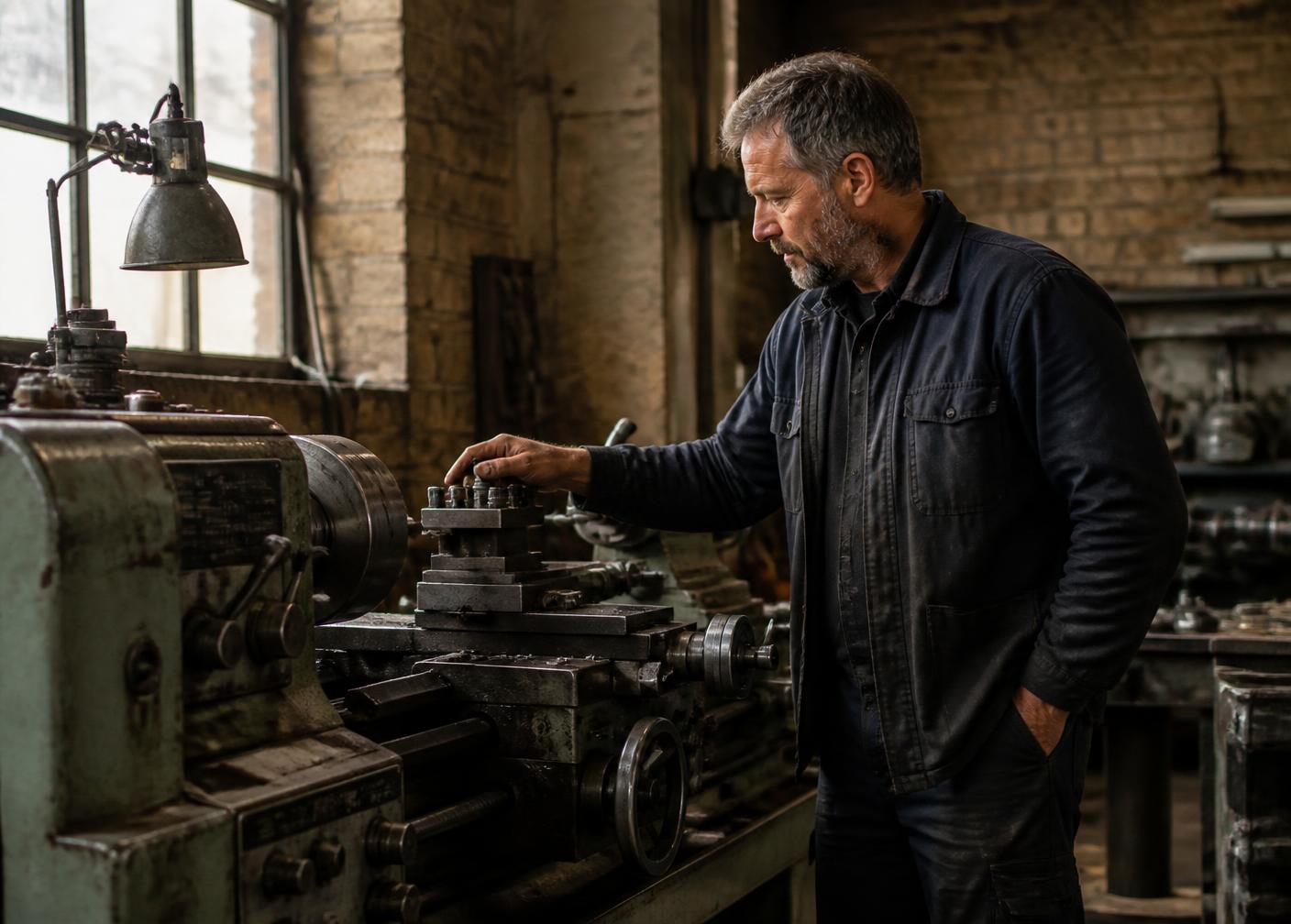
A welder with twelve years of shop experience starts his own fabrication business and needs his first plasma table. With a signed contract in hand, the reviewer weighs his experience alongside the asset itself.
This scenario is a hypothetical illustration to explain how the process typically runs. It is not an approval, a quote, or a guarantee of any outcome.
Related questions
Related industries
- Agriculture & LandTractors, implements, grain handling, and irrigation.
- Medical & DentalImaging, chairs, sterilization, lasers, and practice build-outs.
- Machine Shops & ToolingLathes, mills, saws, inspection equipment, and tool packages.
Related solutions
Check your scenario
Share non-sensitive details and a specialist will outline structure options and the documentation your file needs.
Editorial provenance
- Human reviewer
- Reviewed by: AILCO Credit & Compliance (placeholder reviewer)
- Last reviewed
- 2026-07-28
Citations & sources
- IRS Publication 946 — How to Depreciate PropertyGeneral reference for equipment depreciation concepts. Confirm with your CPA.
- U.S. Small Business Administration — Financing basicsGeneral small-business financing education.